Monthly Wellness and Awareness
June Wellness Information
Migraines
Despite migraines being one of the world’s most common health conditions, many people living with this disease know that no two migraine experiences are the same. Symptoms range from light sensitivity and dizziness, to food cravings and body chills. Knowing how to identify your unique symptoms is important to your health. If you have any of these symptoms, please contact your primary care provider to discuss.
To better understand the signs and symptoms of migraines, visit the NIH Migraine webpage for more details.
PTSD
People with PTSD have intense, disturbing thoughts and feelings related to their experience that last long after the traumatic event has ended. PTSD can develop at any age, and typically begins within 3 months of a traumatic event. Common symptoms include but are not limited to- reliving the event through flashbacks or nightmares, sadness, fear, anger, and detachment from those around you. If you believe you are experiencing any of these symptoms, please contact your primary care provider to discuss.
To better understand the signs and symptoms of PTSD, visit the NIH PTSD webpage regarding for more information.
Your Journey to Wellness in 2026
Mental Wellness
If you’ve been feeling down, struggling with sleep, or noticing a decrease in your appetite, it may be time to focus on your mental health. Mental wellness is just as important as physical health, and taking proactive steps to care for your mind can lead to a happier, more balanced life. Prioritizing self-care can help manage stress, boost energy levels, and reduce the risk of illness. Small, consistent acts of self-care in your daily routine, such as mindfulness exercises, regular physical activity, and staying connected with loved ones, can make a significant difference.
Don’t wait until symptoms become overwhelming - reach out to your primary care provider. They can help address your concerns and connect you with a mental health professional if needed. Remember, seeking help is a sign of strength. To learn more about the importance of your mental and emotional wellness, visit the National Institutes of Health Emotional Wellness Toolkit.
Glaucoma
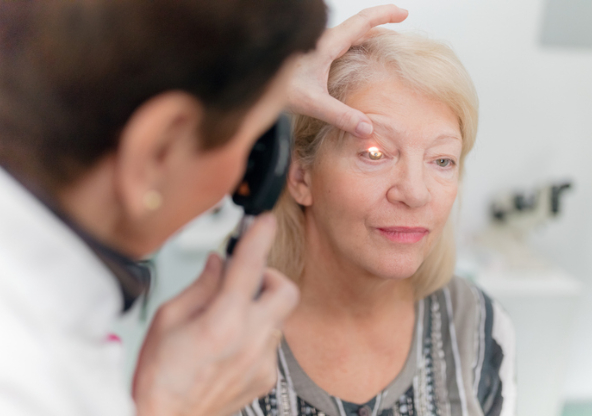
Glaucoma is a group of eye conditions that can damage the optic nerve, often due to high pressure in the eye. Left untreated, it can lead to permanent vision loss or blindness. Regular eye exams that include measuring your eye pressure are essential for early detection and effective management. When caught early, treatment can significantly slow or even prevent vision loss, preserving your sight.
Symptoms of glaucoma can include blurred vision, severe eye pain, nausea, halos around lights, and sudden vision loss in advanced cases. However, many forms of glaucoma have no early symptoms, making regular screenings even more critical. Protect your vision by scheduling an annual eye exam with your provider. If you experience any concerning symptoms, contact your healthcare provider immediately for evaluation and care. Early action is the key to maintaining your eye health. For more information about glaucoma, visit the National Eye Institute Glaucoma Resources.
Building Self-Esteem
Your self-esteem plays a vital role in your decision-making, relationships, emotional health, and overall well-being. Low self-esteem can sometimes signal underlying mental health challenges, particularly if symptoms persist or disrupt your daily life. Signs may include feeling hopeless, inadequate, or constantly doubting your abilities.
To help boost your self-esteem and maintain emotional health:
- Practice self-care by prioritizing sleep, nutrition, and physical activity.
- Surround yourself with supportive, positive influences.
- Set achievable goals and celebrate small victories.
- Challenge negative self-talk by replacing it with affirmations or positive thoughts.
- Seek professional help when needed, such as counseling or therapy.
If you’re experiencing persistent feelings of low self-worth, don’t hesitate to reach out to your primary care provider for guidance and support. Small steps can lead to a healthier you.
Preventing and Managing Heart Disease
Heart disease is a broad term encompassing various heart conditions, each with its unique causes. These may include lifestyle factors, genetics, infections, medications, or other health conditions. Sometimes, heart disease can develop silently and remain undiagnosed until noticeable symptoms, such as a heart attack, heart failure, or arrhythmia, occur.
To reduce your risk of heart disease and promote heart health:
- Maintain a healthy diet rich in fruits, vegetables, whole grains, and lean proteins while limiting processed foods and added sugars.
- Engage in regular physical activity, such as walking, swimming, or cycling, for at least 30 minutes most days.
- Avoid smoking and limit alcohol intake.
- Manage stress through relaxation techniques, mindfulness, or hobbies.
- Keep your blood pressure, cholesterol, and blood sugar levels in check with regular health screenings.
Discuss your risk factors and preventative measures with your healthcare provider. A proactive approach can help you protect your heart and enjoy a longer, healthier life.
Autism
Autism spectrum disorder (ASD) is a developmental condition that affects communication, behavior, and social interactions. Individuals with autism may struggle with understanding social cues and engaging in typical back-and-forth conversations. Common signs include repetitive behaviors, such as hand-flapping or rocking, and intense focus on specific interests or routines. Sensory sensitivities are also prevalent, with individuals often being overly sensitive or under-sensitive to sounds, textures, or lights. Early detection and support can help improve communication and social skills, leading to better outcomes for those on the spectrum. For more information, and resources, CLICK HERE.
Foot Care
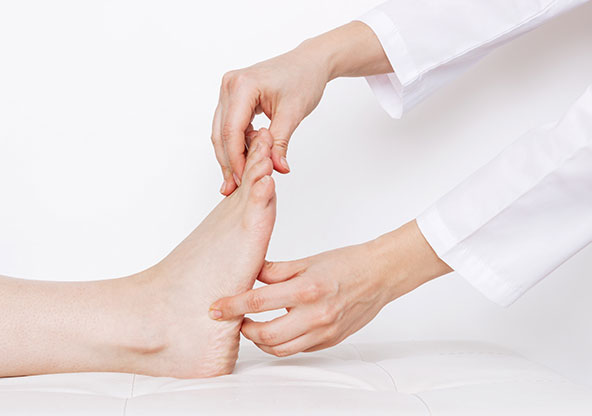
Proper foot care is essential for maintaining overall health and comfort, as feet are subject to daily wear and tear. Regular cleaning, moisturizing, and nail trimming can prevent issues like athlete's foot, calluses, or ingrown nails. It’s important to wear properly fitting shoes to avoid conditions like blisters, bunions, or plantar fasciitis. Foot care also includes checking for any signs of swelling, redness, or discomfort, which could indicate underlying health problems. For those with chronic conditions like diabetes, regular foot inspections are crucial to prevent complications. For more information regarding the importance of foot maintenance, CLICK HERE.
Arthritis
Arthritis is a condition that causes inflammation in one or more joints, leading to pain, stiffness, and decreased mobility—symptoms that often progress with age. There are several types of arthritis, each with different causes such as natural wear and tear, infections, or autoimmune diseases. Common signs include joint pain, swelling, stiffness, and limited range of motion. If you're experiencing symptoms, schedule a visit with your healthcare provider to explore diagnosis and treatment options.
Mental Health
Mental health is a vital part of your overall health. It affects how we think, feel, and act - and plays a key role in how we handle stress, relate to others, and make choices. Mental health conditions are common; more than 1 in 5 adults in the U.S. experience a mental illness each year. These conditions can range from anxiety and depression to more severe disorders, and they can impact anyone regardless of age, background, or lifestyle.
The good news is that mental health challenges are treatable, and support is available. If you're feeling overwhelmed, emotionally drained, or not quite like yourself, you're not alone- and help is within reach. Start by talking with your primary care provider. They can listen, offer guidance, and connect you with mental health professionals and resources tailored to your needs.
Depression's Impact on Other Illnesses
Learn how depression can worsen existing medical conditions and increase your risk of developing new ones.
Easily Connect with a Doctor
A trusted doctor is your partner in maintaining good health and preventing future concerns. Our simple tool helps you find the right doctor for your health needs.
Last Updated 5/4/26